Fluxing materials
Fluxing materials are substances that, during the firing of ceramic products, lower the melting point of the mixtures, facilitating and accelerating the sintering process and the formation of a glassy phase.
In ceramics, this refers to raw materials or frits that contain alkali metals such as sodium and potassium, often combined in specific proportions with other elements like boron, calcium, magnesium, and zinc.
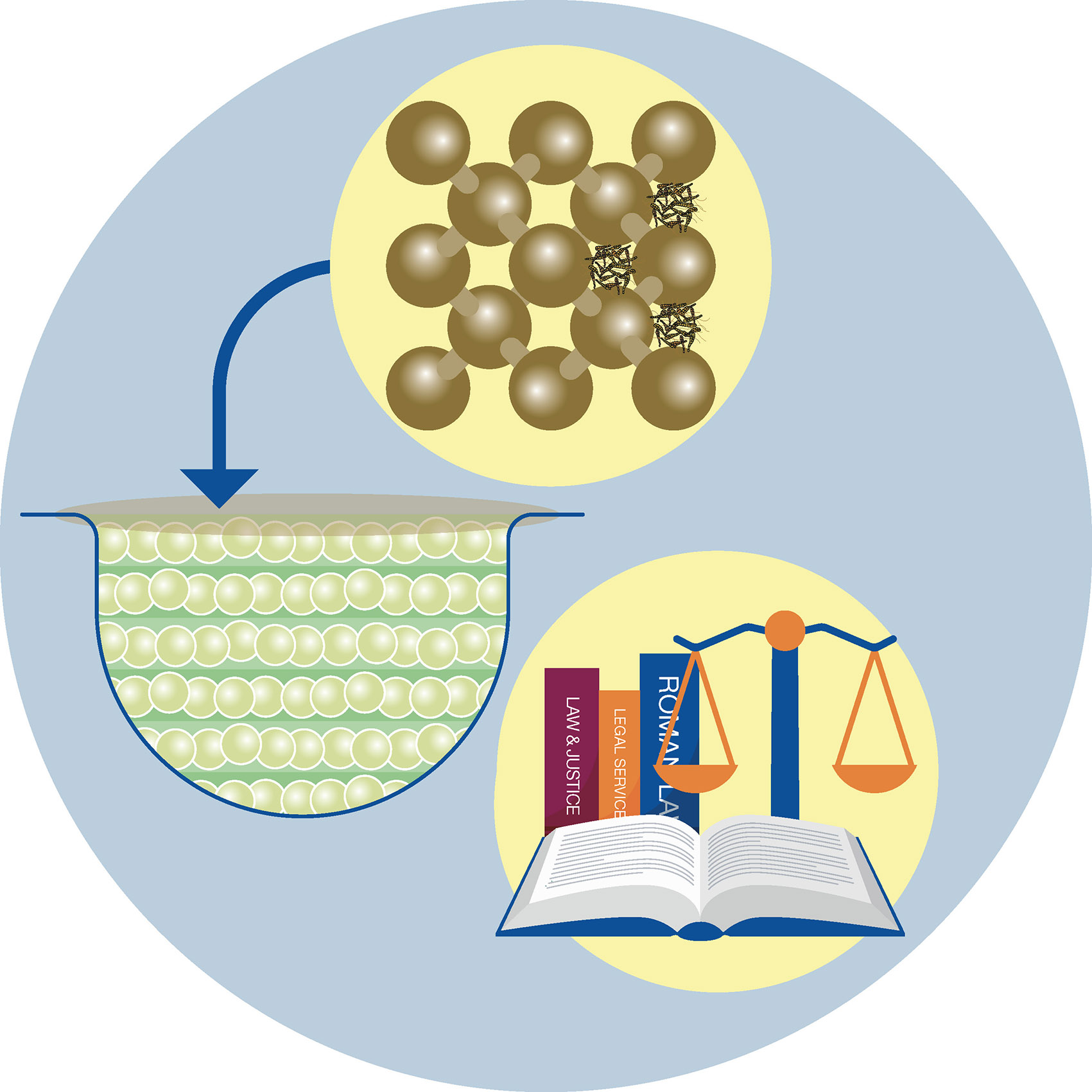
Fluxes work by altering and breaking down the structure of silica (SiO₂)—the primary glass-forming component, which has a high melting point (around 1713 °C).
These materials can also form eutectic mixtures with silica—blends whose melting point is lower than that of any individual component, enabling more efficient melting and vitrification.
There are various types of fluxing materials, each imparting different properties to the system in which they are used.
In ceramic applications, the term typically refers to oxides. However, these oxides are rarely used in pure form and are more commonly introduced through raw materials or frits.