#52 Fluxing agents and ceramic production: what they are and what they do



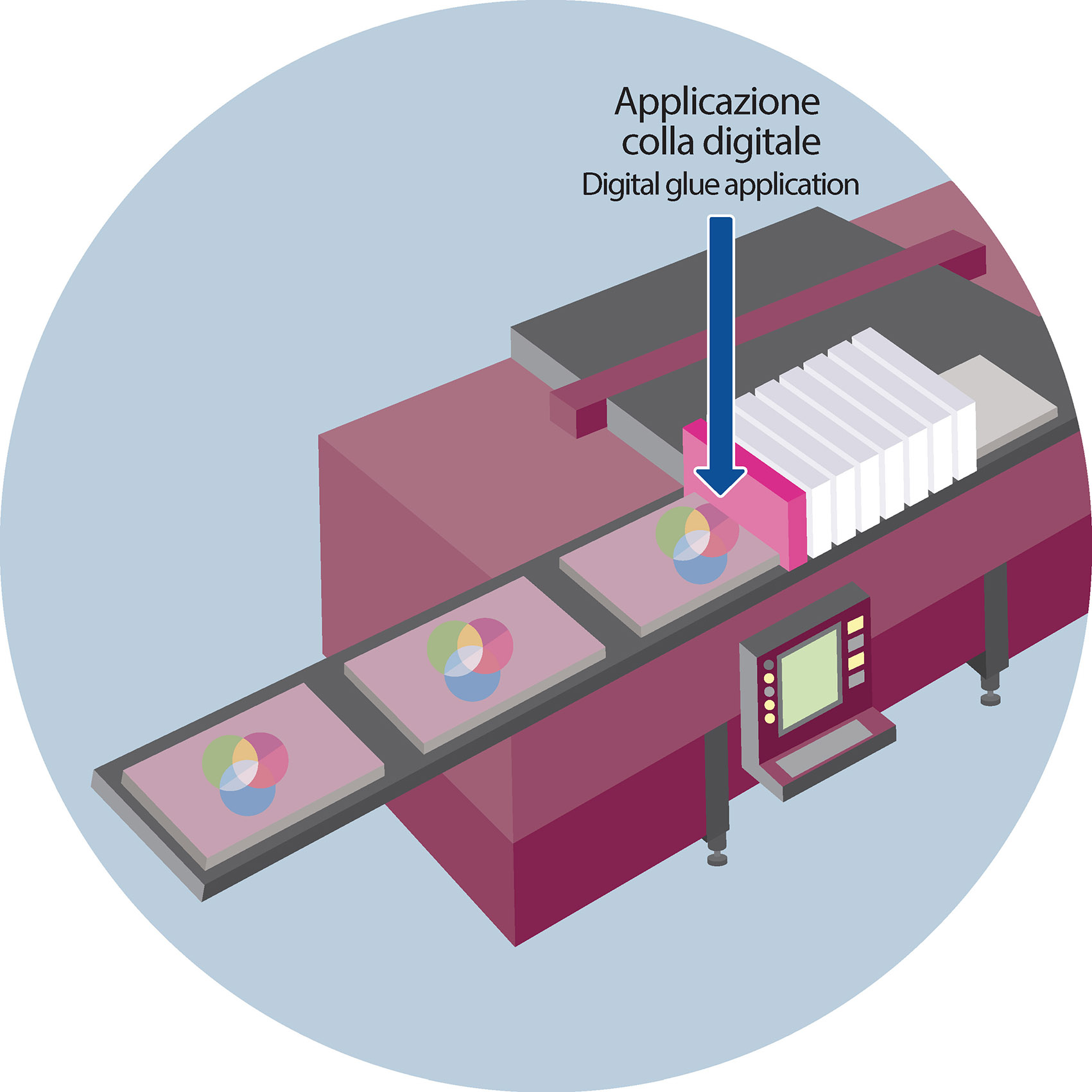
Fluxing agents used in ceramics – often present in glazes and digital adhesives – are capable of lowering the melting point of a material or compound, thereby anticipating the onset of the sintering process.
This effect occurs through the action of certain ions that disrupt the molecular structure of the compound (in this case, silica). The mechanism influences multiple factors and must be carefully calibrated each time to achieve the desired outcome.
Key areas of influence include: the leveling and distribution of frit granules, the final glossy or matte appearance of the surface, interactions with coloring agents, and energy savings during firing.
How do these specific fluxing materials (such as sodium, potassium, zinc, calcium, boron, etc.) behave within the suspensions to which they are added, and how does their action affect the final ceramic material?