Polysaccharide
A polysaccharide is a macromolecule belonging to the group of complex carbohydrates, formed by the linkage of many smaller units called monosaccharides (simple sugars) connected through glycosidic bonds. In simple terms, polysaccharides are polymers made of simple sugar molecules that can form long chains, which may sometimes be branched.
The number of monosaccharide units within a polysaccharide can vary widely. These molecules may contain from a few dozen to several thousand units, resulting in very large and complex structures.
Polysaccharides perform several important functions in living organisms. Some act as energy storage molecules, while others have a structural role. A well-known example of an energy-storage polysaccharide is starch, which plants use to store energy. In animals, a similar role is played by glycogen. Among structural polysaccharides, cellulose is one of the main components of plant cell walls.
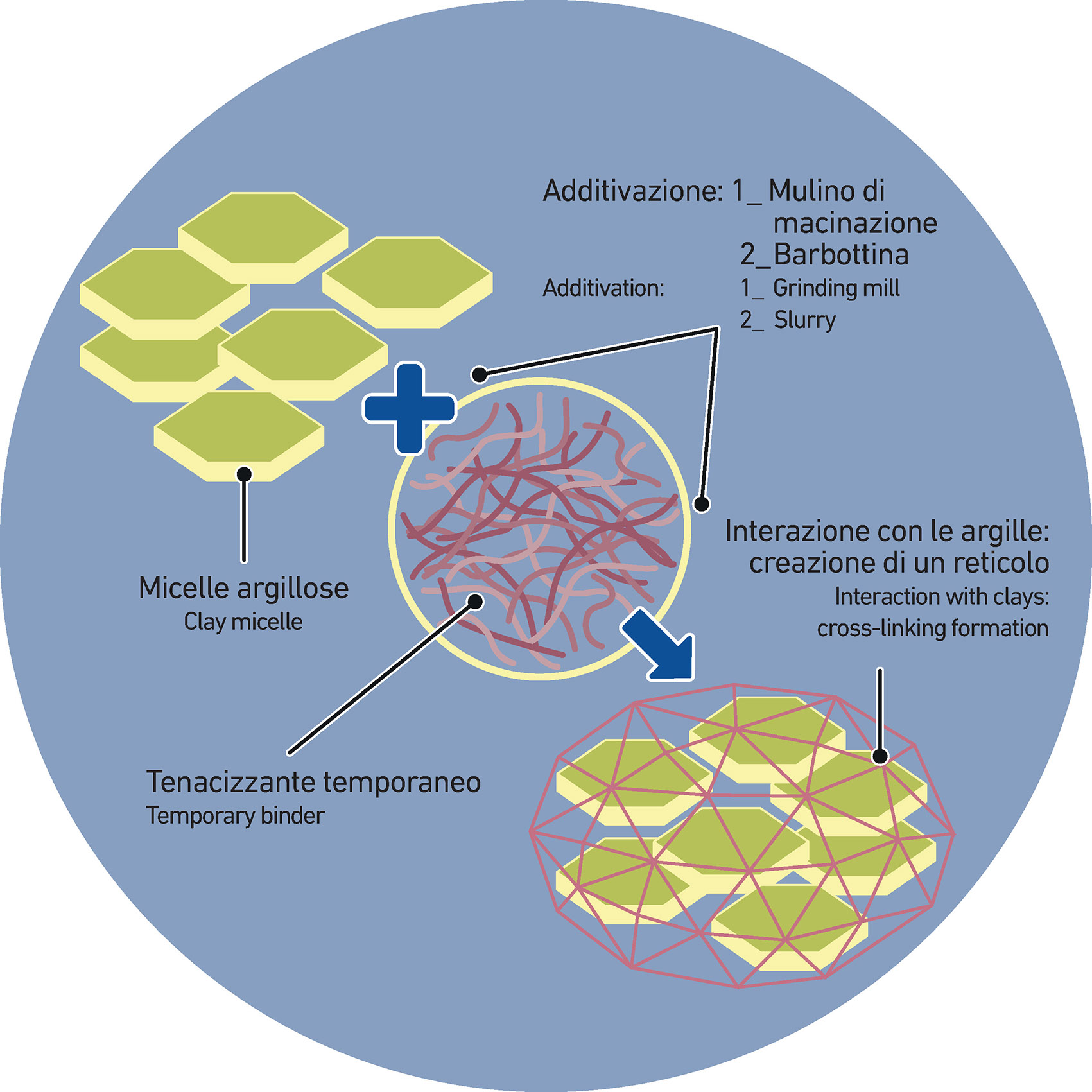
Because of their chemical and physical properties, polysaccharides are also widely used in industry. They can serve as thickeners, binders, or stabilising agents in food products, pharmaceuticals, and various technical formulations.