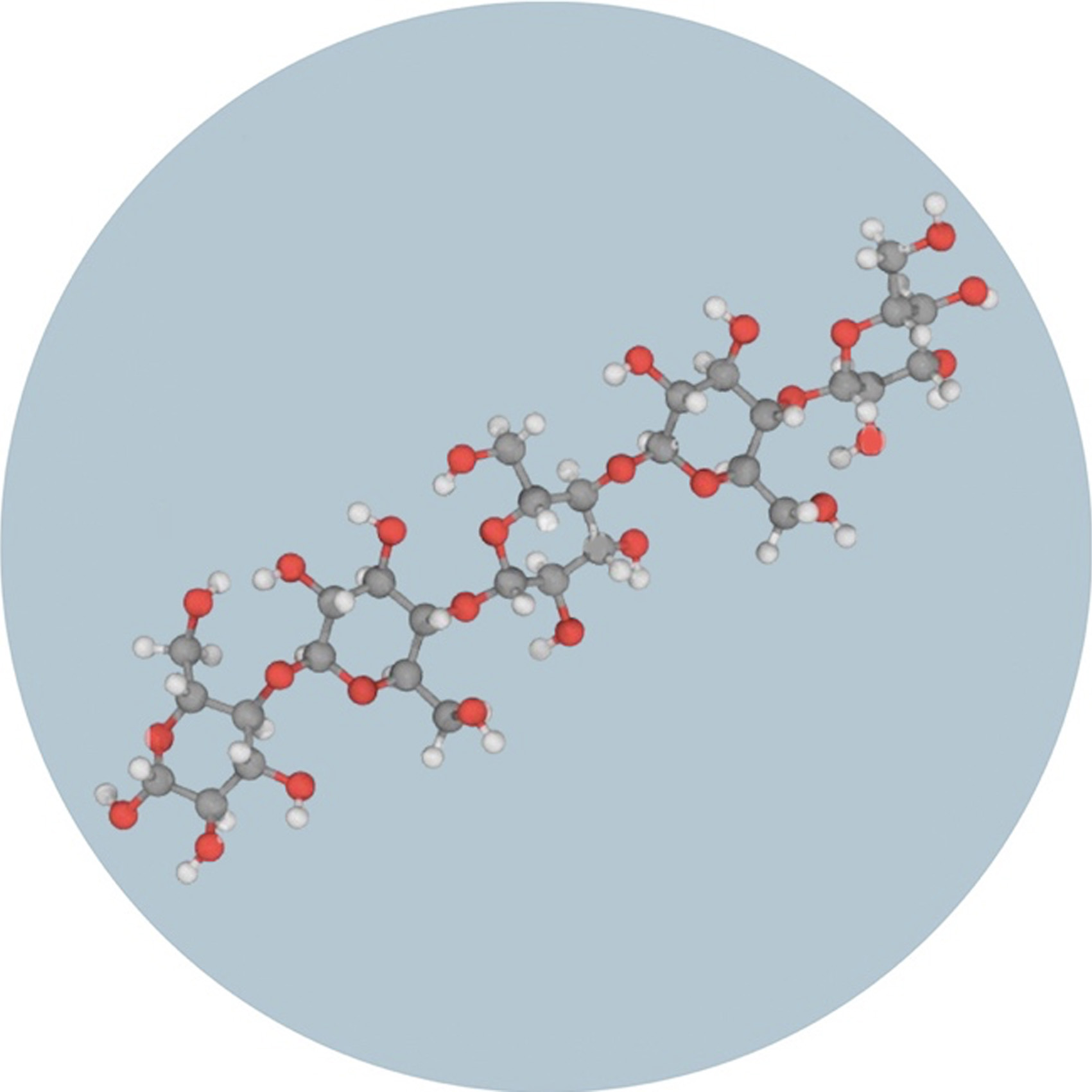
Wetting agent
Wetting is the ability of a liquid to maintain and keep contact with a solid surface.
Wetting deals with all the three phases of materials: gaseous, liquid and solid.
The type and the different wettability value of a surface may result in a hydrophilic or hydrophobic surface. This value is usually measured by means of the “contact angles” test.
Super hydrophilic, which literally means ”strong affinity for water”, gives maximum wetness to the surface.
On the other side, wetness is lacking in case of a super hydrophobic surface, thus promoting single and isolated drops formation.
All wetting agents create the proper condition to adequately wet a surface. They are usually made of organic molecules that act both in the interphase between the ceramic support and glaze and in the interphase between the glaze and the air: the leveling action they promote is, for example, specifically produced by decreasing the surface tension of water in the glaze/air inter-phase.